ᚨ ᛋ ᛉ
Runes & Magic
"I ween that I hung on the windy tree, hung there for nights full nine; with the spear I was wounded, and offered I was to Othin, myself to myself."
Hávamál 139 · The Poetic EddaThe runes were never an alphabet to the Norse: they were a technology of fate, won by a god through sacrifice and handled with respect ever since. This is the mystical side of the Viking world: the twenty-four staves of the Elder Futhark, the trance practice of Seiðr, bind runes carved for protection, and the seers and Völvas who read the threads of wyrd. Every guide here separates what the historical sources actually say from what the internet has invented, so you can approach the old symbols the way the North did: knowing exactly what you are holding.
The Saga in Five Acts
New to the myths? This is the order the story wants to be read in.
01
The Twenty-Four Staves
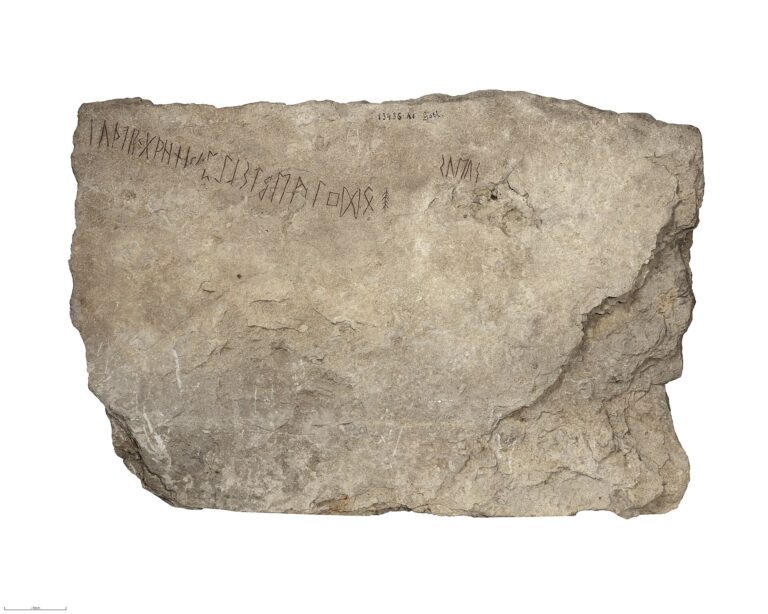
Every rune has a name, a sound, and a meaning the sources actually record. Start with the complete Elder Futhark guide, the foundation of everything else here.
02
The Price the Allfather Paid
Nine nights on the tree, pierced by his own spear, an eye given for a single drink of wisdom. The runes were bought, not given: read how Odin earned them.
03
The Trance That Bends Fate
The most powerful magic of the North belonged to the Völvas, and a god broke a taboo to learn it. Seiðr, the Norse shamanism, is stranger than any fiction.
04
Before You Ink It Forever
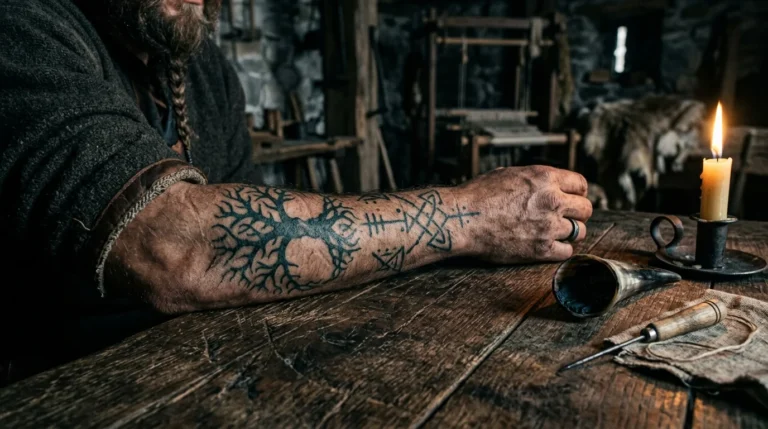
Some symbols carry histories you need to know before wearing them for life. The honest guide to rune tattoos covers meanings, myths, and the ones to avoid.
05
Cast the Runes Yourself
Knowledge first, then practice. When you know what the staves mean, draw your own daily rune with the Viking Saga rune oracle, free, and built on the real meanings.
ᚠ ᚢ ᚦ ᚨ ᚱ ᚲ ᚷ ᚹ
The Hávamál says the runes were sung as much as carved. Hear them: explore the Old Norse music of Mythic Harmonies, composed on the instruments of the age.
All Lore Below